Why Morbi Gujarat is the World Ceramic Tile Capital - A Guide for International Importers
When international buyers search for premium ceramic and porcelain tiles at competitive prices, one destination stands above all others: Morbi, Gujarat, India. This city produces over 800 million square metres of tiles every year, supplying to more than 160 countries — roughly 10% of the entire global tile output from a single Indian city. At IE Ceramic, we are headquartered in Morbi. This guide is for importers, distributors, and procurement managers who want to understand what makes this region exceptional — and how to source from it with confidence.
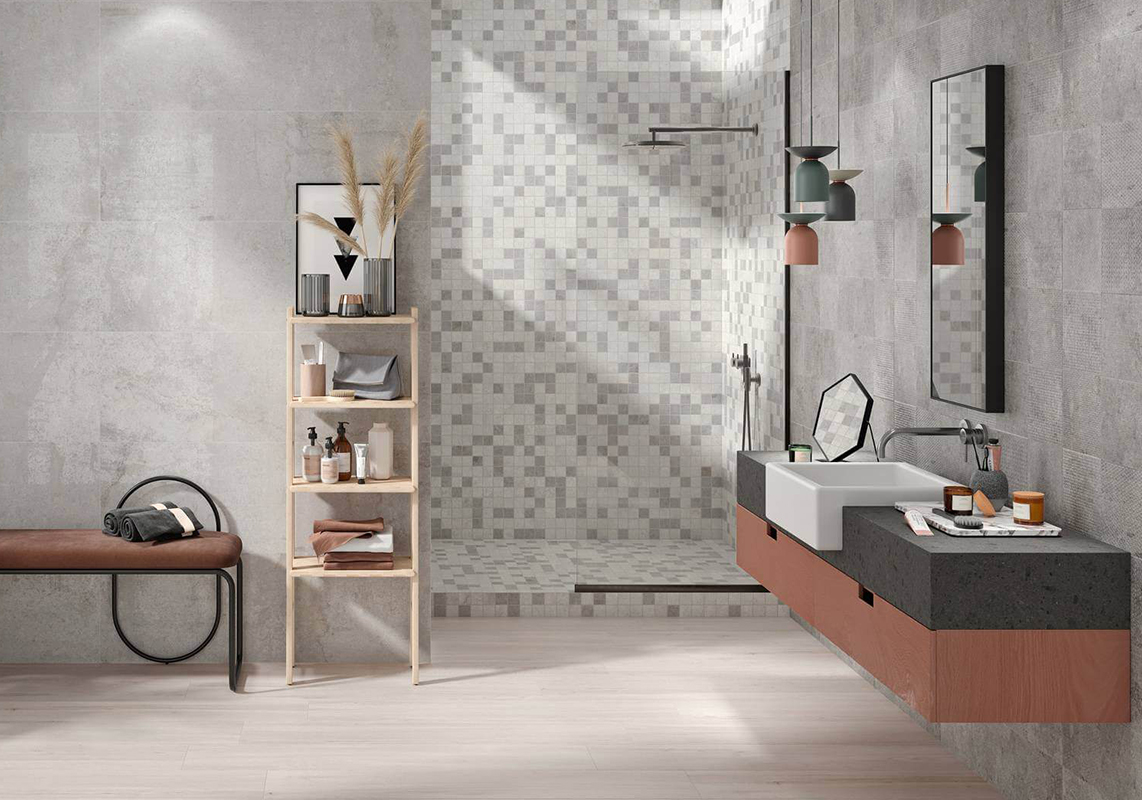
Premium-quality porcelain tiles manufactured in Morbi, Gujarat — available for export worldwide
1. The Scale That No Other Tile City Matches
Morbi is home to over 800 tile manufacturing units operating within a 30 km radius. The city accounts for approximately 70% of India’s total ceramic tile production. This concentration creates an ecosystem that simply cannot be replicated elsewhere — raw material suppliers, glaze producers, packaging firms, and freight forwarders all clustered together, driving down costs at every step of the supply chain. What this means for buyers: access to the widest tile variety on earth — every size, finish, format, and price point — from a single sourcing region. Tile categories manufactured in Morbi:- Full-body porcelain tiles — 600×600 mm, 800×800 mm
- Large format slabs — up to 1600×3200 mm
- Glazed Vitrified Tiles (GVT / PGVT) — polished, matt, satin, gloss finishes
- Double charged tiles — 600×600 mm, 600×1200 mm
- Ceramic wall tiles — 300×600 mm and variants
- Outdoor porcelain pavers — 20 mm thickness, frost-resistant
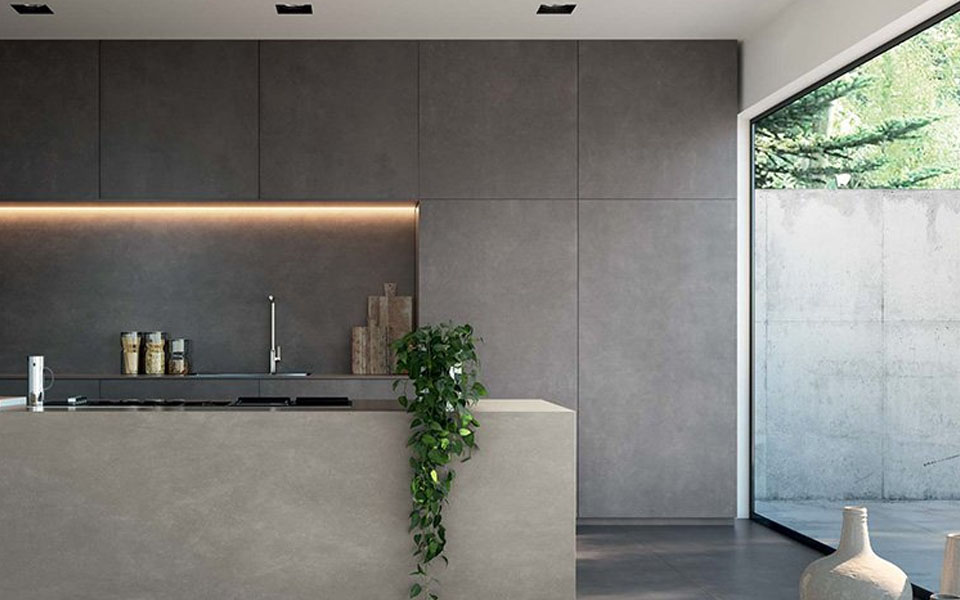
Large format porcelain slabs (up to 1600×3200 mm) — one of Morbi’s signature export products
2. Why Morbi Pricing Stays Consistently Competitive
Factory-direct pricing from Morbi typically runs 20–40% below European or Chinese equivalents for the same quality grade. Three structural reasons keep costs low: › Raw material proximity. Gujarat sits on rich deposits of China clay, feldspar, and silica — the core inputs for tile production. The mine-to-factory distance is minimal, eliminating a major cost layer found in other tile regions. › Modern automated production. Most Morbi factories run Italian-made machinery (Sacmi, System, Ancora). Automated kilns, robotic polishing lines, and digital inkjet printing deliver European-grade quality at Indian labour costs. › 800+ factories competing for your order. This is one of the most competitive tile markets in the world. Buyers can benchmark multiple factories simultaneously, driving the best price without compromising on specification.3. Quality Certifications and Testing Standards
IE Ceramic manufactures to ISO 13006 standards and holds the following certifications, all available with third-party test reports on request: CE Marking — Compliance with EU Construction Products Regulation. Required for sales in all EU member states and the UK.EN 14411 / ISO 13006 — International ceramic tile standard covering water absorption, breaking strength, abrasion resistance, and slip resistance.
ISO 9001:2015 QMS — Quality Management System certification ensuring consistent manufacturing and batch control.
SGS / Bureau Veritas Inspection — Third-party pre-shipment inspection on every order, checking dimensions, shade, surface quality, and packing before container loading. Technical benchmarks: Water absorption <0.5% • Breaking strength ≥1,300 N • PEI abrasion Class III–V • Dimensional tolerance ±0.6%
4. How to Import from Morbi: Step-by-Step
Here is the standard process for international buyers placing their first container order: Step 1 — Shortlist and contact suppliers. Request product catalogues, price lists, and ISO certificates from 3–5 Morbi exporters. Compare product range, MOQ, lead time, and certifications. Step 2 — Request physical tile samples. Evaluate shade consistency, flatness, surface finish, and thickness before committing to a container. Never skip this step. Step 3 — Confirm pricing and terms. Get a pro forma invoice with FOB Mundra pricing, lead time (30–45 days), and payment terms (standard: 30% advance, 70% against BL copy). Step 4 — Arrange pre-shipment inspection. Commission SGS, Bureau Veritas, or QIMA to verify tile dimensions, shade, and packing before the container is sealed. This is your quality guarantee. Step 5 — Ship via Mundra Port. Located 110 km from Morbi. Transit times: Middle East 10–15 days • East Africa 20–28 days • Europe 25–35 days • Americas 30–40 days. A 20-ft container holds 800–1,000 sq m. Step 6 — Confirm import duties. Tiles fall under HS Code 6907. Many countries offer preferential duty rates for Indian exports. Verify landed cost with your customs broker before finalising the order.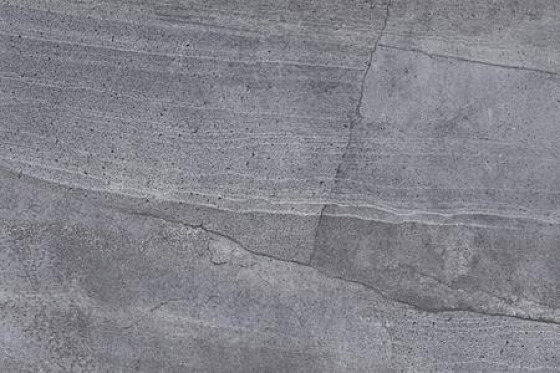
IE Ceramic tile collection — available in polished, matt, satin, and gloss finishes
5. Applications: Where IE Ceramic Tiles Are Specified
IE Ceramic exports to architects, contractors, distributors, and importers across 20+ countries. Our tiles are installed in: › Residential projects — Living rooms, bedrooms, kitchens, bathrooms. Large-format GVT tiles (600×1200 mm) are a specification favourite for open-plan interiors. › Commercial and hospitality — Hotels, corporate offices, retail showrooms, restaurants. Full-body porcelain for high-traffic lobbies and corridors. › Outdoor areas — Terraces, pool surrounds, pathways, and driveways. Our 20mm frost-resistant pavers comply with safety and durability requirements in cold climates. › Façade cladding — Large format slabs (up to 1600×3200 mm) for external building envelopes and feature walls.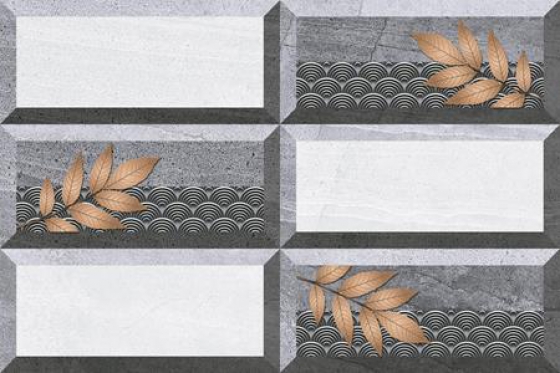
Commercial flooring — durable, high-traffic porcelain tiles from IE Ceramic
20mm outdoor porcelain pavers — frost-resistant and suitable for driveways and terraces
6. Source Direct from IE Ceramic, Morbi
IE Ceramic exports premium porcelain and ceramic tiles to importers and distributors across 20+ countries. We offer the full range from 300×600 mm ceramic wall tiles to 1600×3200 mm large format slabs — with ISO 13006 compliance, CE marking, competitive FOB Mundra pricing, and complete export documentation handled in-house.Contact our export team: export@ieceramic.com
Get a free sample pack and price catalogue within 48 hours.
Frequently Asked Questions
Why is Morbi called the ceramic tile capital of the world?
Morbi produces over 800 million square metres of tiles annually and supplies to 160+ countries, representing approximately 10% of global tile output. The concentration of 800+ manufacturers, access to Gujarat’s raw materials, and decades of specialised production expertise have earned the city this title in the global tile trade.What is the minimum order quantity (MOQ) when importing tiles from Morbi?
Most Morbi exporters require a minimum of one 20-foot container, which holds approximately 800–1,000 square metres depending on tile format and weight. IE Ceramic can arrange smaller trial shipments for new buyers on request.Are tiles from Morbi ISO certified?
Yes. Leading Morbi manufacturers including IE Ceramic hold ISO 13006 and ISO 9001:2015 certification. Products comply with EN 14411 for European buyers. CE marking and SGS or Bureau Veritas test reports are available on request for all bulk orders.How long does shipping from Morbi take?
Production lead time is 30–45 days after order confirmation. Sea freight from Mundra Port: Middle East 10–15 days • East Africa 20–28 days • Europe 25–35 days • North America 30–40 days.What tile types does IE Ceramic export?
IE Ceramic exports full-body porcelain, GVT/PGVT glazed vitrified tiles, large format slabs (up to 1600×3200 mm), double charged tiles, ceramic wall tiles, and 20mm outdoor porcelain pavers — covering the full range for residential, commercial, and outdoor applications.How do I verify tile quality before paying for a container?
Request physical tile samples first. For container orders, commission a pre-shipment inspection through SGS, QIMA, or Bureau Veritas. These agencies verify tile dimensions, surface quality, shade consistency, and packing before the container is sealed and shipped.Is sourcing tiles from India cheaper than China or Europe?
For mid-to-premium grade products — particularly full-body porcelain and large format slabs — Morbi pricing is typically competitive with or below Chinese FOB pricing. The additional advantage is EN 14411 / CE compliance, which many Chinese factories cannot provide at equivalent price points. For buyers supplying Europe, the UK, or the Middle East, Indian sourcing often delivers a better total landed cost.